
Auto Expert John Cadogan positions itself as a vital resource for navigating the complexities of the automotive world, particularly within the highly competitive Australian market. The channel delves into the everyday realities of car ownership, addressing common frustrations and offering insights into the decision-making processes behind purchasing and maintaining vehicles. It aims to demystify the automotive landscape for consumers, providing expert guidance on a range of topics.
With a focus on practical advice and in-depth analysis, Auto Expert John Cadogan covers essential aspects of vehicle ownership, from the nuances of upgrading older cars to the critical factors influencing tyre performance and safety. The channel also engages with contemporary issues such as electric vehicle (EV) technology, exploring both the potential and the challenges associated with their widespread adoption and integration into existing infrastructure.
With a focus on practical advice and in-depth analysis, Auto Expert John Cadogan covers essential aspects of vehicle ownership, from the nuances of upgrading older cars to the critical factors influencing tyre performance and safety. The channel also engages with contemporary issues such as electric vehicle (EV) technology, exploring both the potential and the challenges associated with their widespread adoption and integration into existing infrastructure.

When Should I Upgrade My Old Car? | Auto Expert John Cadogan
John Cadogan tackles the perennial question of when to upgrade a vehicle, offering a pragmatic perspective that challenges the industry's push for constant turnover. He argues that keeping a car longer significantly reduces depreciation and environmental impact, directly refuting the "greenwashin...




Latest Additions
Showing 24 of 285 total titles. Page 2 of 12.

Can Lithium-Ion Batteries Ever Be Safe?
John Cadogan's deep dive into Sungrow's battery technology debunks the notion that all lithium-ion batteries are inherently unsafe. While ac... moreknowledging the spectacular failures that make headlines, Cadogan emphasizes that when batteries are designed and implemented correctly, they are overwhelmingly safe and beneficial. He highlights Sungrow's extensive R&D, rigorous testing, and impressive track record, particularly noting the absence of thermal runaway incidents in their operational storage batteries. Cadogan contrasts the safety of well-engineered systems like Sungrow's with the risks associated with cheap, poorly designed products, likening battery safety to driving or flying – safe when done right, catastrophic when done wrong. The review underscores the importance of distinguishing between good and bad battery implementations, advocating for the acceptance of reliable technologies like Sungrow's as crucial for modern civilization. less

The Truth About EV Tyre Replacement
This video delves into the critical topic of EV tire replacement, highlighting that while EVs are heavy and accelerate quickly, leading to faster tire... more wear, the choice of replacement tires is not always straightforward. The expert debunks the myth of 'EV-specific' tires, noting that many EVs come with standard touring or performance tires. The discussion emphasizes that ultra-high-performance (UHP) tires, like Toyo's Proxes Sport 2, can offer superior grip, safety, and even better puncture resistance than some OE EV tires, often at a comparable or lower cost. While a slight increase in noise or a marginally shorter lifespan compared to dedicated touring tires might occur, the benefits in handling, braking, and overall driving experience, especially for performance EVs, are significant. The video also touches on crucial aspects like load ratings, tire pressure, and the importance of regular rotation to maximize tire life and performance. less

Looming Glut of Used EV Lemons
The reviewer is highly critical of the Polestar 2, labeling it an 'enduring EV lemon' despite Polestar's new initiative to offer batter... morey health certificates on used models. While acknowledging the battery itself has been relatively robust, the reviewer argues this initiative is a desperate attempt to mask the car's numerous other reliability issues. The transcript details a long list of problems addressed by over-the-air (OTA) updates since 2020, including issues with harshness, recharging, range prediction, the 12V system, Bluetooth connectivity, rear window seals, infotainment, charging, digital keys, and lane-keeping assistance. The reviewer suggests these OTAs are not improvements but rather fixes for a poorly developed product. Reliability surveys are cited, showing a high percentage of owners experiencing problems and a low ranking for reliability. The reviewer questions the value of the battery health certificate, noting a significant price premium for certified used Polestar 2s compared to private sales, and suggests alternative, more reliable vehicle purchases are possible for the same cost. less

300kW GWM Cannon Alpha PHEV: Cheaper than Ranger Wildtrak or Kia Tasman
John Cadogan provides an in-depth analysis of the GWM Cannon Alpha Plug-in Hybrid, highlighting its significantly revised pricing and enhanced specifi... morecations. He praises the vehicle's compelling value proposition, particularly when compared to rivals like the Ford Ranger Wildtrak PHEV and the Kia Tasman, citing substantial cost savings and superior performance metrics, including a higher EV range and greater torque. Cadogan notes the Alpha PHEV's robust powertrain, impressive towing capacity, and advanced features, especially in the Ultra trim. While acknowledging potential concerns regarding battery technology (NMC vs. LFP) and V2L surge capacity, he concludes that the GWM Cannon Alpha PHEV represents an exceptionally strong offering in the Australian ute market, potentially forcing established players to re-evaluate their strategies. He invites viewer input on purchasing decisions and resale value. less

The Truth About Chinese Manufacturing in 2025
John Cadogan's recent visit to a Risen solar panel factory in China challenges preconceived notions of 'Made in China' manufacturing. W... morehile acknowledging past experiences with low-quality goods, Cadogan presents a starkly contrasting reality of cutting-edge automation, robotic precision, and extensive R&D investment at Risen. He likens the facility's technological sophistication to that found in Japan, Europe, and South Korea, highlighting the company's in-house innovation and numerous patents. The review also touches upon the growing dominance of Chinese automotive brands in Australia, with many popular EVs like Tesla and Polestar being manufactured in China. Cadogan argues that Australia, despite its historical contributions to solar technology (like Professor Martin Green's PERC cell), lags significantly in manufacturing its own advanced products, relying heavily on Chinese production for both cars and solar panels. The core message is a call for a more mature understanding of China's advanced manufacturing capabilities and Australia's position in the global supply chain. less

Battery Recycling Plant Explodes Twice - What It Means For You
This video critically examines the dangers and failures associated with EV battery recycling, highlighted by a recent explosion at a facility in Scotl... moreand. The reviewer expresses strong dissatisfaction with the inadequate safety measures, regulatory oversight, and the company's response, emphasizing the toxic chemicals released and the risks to nearby residents. The piece questions the 'net zero' agenda when such incidents occur, suggesting a pathological lie about the ease and safety of EV battery recycling. It contrasts the environmental impact of NMC (Nickel Manganese Cobalt) batteries with LFP (Lithium Iron Phosphate) batteries, recommending LFP for its reduced heavy metal content and higher thermal runaway threshold. The review concludes that the current approach to battery waste is unsustainable and poses significant risks, urging potential EV buyers to consider battery chemistry carefully. less
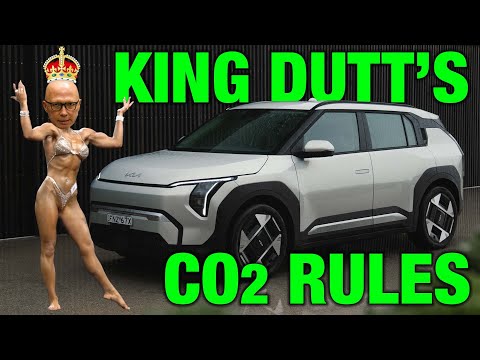
Dutton Declares War on New Car Prices and Dilutes CO2 Rules | Auto Expert John Cadogan
John Cadogan critically analyzes the Australian government's proposed new vehicle CO2 emissions standards, particularly the potential removal of ... morefines under a Coalition government. He argues that the policy, even without fines, acts as a 'stealth tax' on popular vehicles like utes and 4x4s, driving up prices and serving as a form of social engineering. Cadogan expresses skepticism about the claimed savings from switching to EVs, citing the significant upfront cost difference between comparable electric and combustion engine vehicles, and questions the Electric Vehicle Council's motives and membership, suggesting a 'greenwashing' effect. He concludes that consumers should have the freedom to choose their vehicles without government or lobby group interference, and that the proposed standards, even in a diluted form, are misguided. less

Chinese Phev - Under $50K! (Jaecoo J7 Shs) | Auto Expert John Cadogan
The Jaecoo J7 SHS plug-in hybrid is presented as a disruptive force in the Australian market, significantly undercutting established competitors like ... morethe Kia Sportage Hybrid and Mitsubishi Outlander PHEV on price. The reviewer highlights its impressive feature set for an "under $50k drive-away" price point, including a large central display, wireless charging, and advanced driver aids, though he cautions about the calibration of these systems. The J7 SHS is noted as being front-wheel drive only, with its combustion engine primarily acting as a generator. A key concern raised is the unknown long-term reliability and after-sales support for new Chinese brands like Jaecoo, contrasting with the established track record of Japanese and South Korean manufacturers. Despite these uncertainties, the sheer price advantage and competitive specifications make it a compelling, albeit potentially risky, proposition for budget-conscious buyers. less

Federal Election: A Perfect Storm for New Car Buyers
This video provides a timely and actionable guide for Australian car buyers facing a unique market confluence. John Cadogan argues that the upcoming f... moreederal election, coupled with a downturn in sales for many established brands and the rise of Chinese competitors, creates a 'perfect storm' for negotiation. He highlights specific brands like Volkswagen, Audi, Skoda, Cupra, and MG as being particularly vulnerable due to significant sales drops, advising viewers to leverage this desperation for substantial discounts. While acknowledging the general market pressure, Cadogan also points out brands like Subaru and Hyundai that, despite facing challenges, might still offer negotiation opportunities. He encourages a 'predator' mindset, urging buyers to be aggressive and lowball offers, even suggesting walking away if dealers are unwilling to budge. The core message is clear: if you have cash and intend to buy a new car soon, now is the opportune moment to secure a bargain by exploiting dealer desperation. less

GWM Is About to Go 'Boss Level' on Ride & Handling in Australia
The GWM brand is making a significant strategic move by appointing former Holden engineering lead Rob Trubiani to overhaul its vehicles' ride and... more handling, as well as its driver assistance systems. The video highlights that GWM implicitly acknowledges past shortcomings in these areas, which have historically plagued many Chinese automotive offerings in Australia. Trubiani, known for his Nürburgring lap record in a Holden Ute, is seen as the ideal candidate to refine GWM's dynamics for Australian roads. The reviewer expresses optimism that this focus on the final 5-10% of tuning, particularly for models like the upcoming Cannon Alpha Ute, will allow GWM to compete more effectively on merit against established Japanese and South Korean rivals. The potential for improved ADAS systems, moving beyond mere compliance to genuine helpfulness, is also a key positive takeaway. The reviewer anticipates this could put pressure on brands like Volkswagen, Subaru, and Nissan in the Australian market. less

BYD's 1 Megawatt Charger: EV Charging Solved?
The video critically examines BYD's recent announcement of a 1-megawatt charging capability, debunking the claim that it solves EV charging issue... mores or matches gasoline refueling speeds. While acknowledging the impressive engineering, the reviewer emphasizes that the 400km range added in 5 minutes is based on the optimistic Chinese CLTC cycle, translating to significantly less real-world range. The analysis highlights that petrol refueling is still ten times faster and points out that the charger only peaked at 1MW, not sustained it. Furthermore, the review delves into the environmental impact, suggesting that in Australia, the BYD Tang L could emit more CO2 than a comparable hybrid due to the grid's carbon intensity. The core criticism is directed at the media's misrepresentation of this advancement as a complete solution, arguing that the infrastructure and energy demands for widespread 1MW charging are vastly underestimated and unrealistic in the short to medium term. less

BYD Shark 6 Test Drive Plus First Impressions Production Spec
The BYD Shark 6 is presented as a significant and impressive new ute, boasting staggering performance, a gorgeous interior, and a large tray, even exc... moreeeding the Ranger in dimensions. Its road presence is notable, and the cabin offers a concert-hall-like acoustic experience with ample soft-touch materials. However, the primary criticism, shared by both reviewers, centers on the ride and handling refinement. Despite a rigid platform and capable handling of larger bumps, the vehicle struggles with smaller road imperfections, transmitting harshness into the cabin, which is deemed a significant flaw for a vehicle in this class. The reviewers suggest this could be easily rectified with further R&D and subjective tuning of the dampers, drawing parallels to other manufacturers who have adapted suspension for Australian roads. While acknowledging the impressive fundamentals and technology, the harsh ride quality on typical Australian B and C roads is highlighted as a major drawback that could lead to buyer disappointment and potentially impact resale value due to rapid model evolution. less
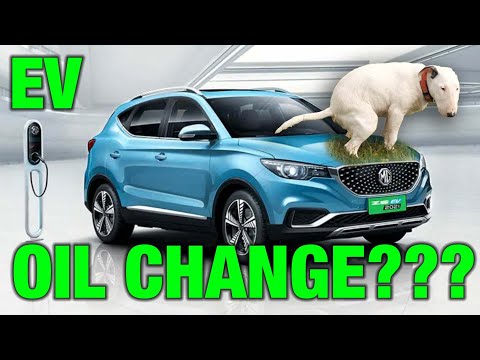
Car Dealers Are Doing EV Oil Changes Now. No, I'm Not Kidding.
John Cadogan critically examines the servicing costs for an MG ZS EV, highlighting a $905 bill for a 48-month service that included a $165 oil change ... morefor the electric drive unit (EDU). He argues that EVs are not necessarily simpler or cheaper to maintain than combustion engine cars, contrary to popular belief. Cadogan contends that the EDU oil, a simple gear oil, does not require changing at 40,000 km and that the high cost is an 'insult' and a method for carmakers to inflate dealer service revenue. He criticizes the dealership for charging for services not yet due, failing to address the service light's cause, and returning the car with old wipers and empty washer fluid. The review concludes that MG, despite its market success, engages in practices similar to traditional carmakers, exploiting owners' lack of technical knowledge. less

DCS Accuses YouTuber of Cyberbully Attack
This video critically examines Deep Cycle Systems' (DCS) claims of being a victim of cyberbullying by YouTuber Stefan Fischer. The reviewer argue... mores that DCS's actions, particularly their defamation lawsuit against Fischer (which was ultimately dismissed), are a clear case of the pot calling the kettle black. The core of the issue stems from Fischer's critical review of DCS batteries, including an "under Bonnet explosion failures" video. DCS's subsequent appeal to the Australian Federal Government for protection under cyberbullying laws, even suggesting the application of legislation designed for child protection against non-consensual image sharing, is highlighted as an extreme and inappropriate measure. The reviewer posits that DCS's real intention is to stifle free speech and criticism. Furthermore, the video brings to light independent testing of a DCS battery that showed objectively poor performance, and allegations of a retrospective warranty downgrade. The reviewer concludes that DCS, by suing a reviewer and subsequently facing public backlash and further scrutiny, is the actual bully in this situation, and that free speech has ultimately prevailed in holding the company accountable. less

Defamation Dismissed: DCS Batteries Cannot Sue YouTuber Stefan Fischer
This video details the dismissal of a defamation case brought by Deep Cycle Systems (DCS) against YouTuber Stefan Fischer. The Queensland District Cou... morert ruled that DCS lacked the legal standing to sue due to failing to prove they had fewer than 10 employees and not being an excluded corporation. The court also noted issues with the credibility of the DCS director, citing misrepresentations and the use of a fabricated AI employee. The reviewer highlights this as a significant victory for freedom of speech and independent reviews, emphasizing that defamation laws should protect against serious reputational damage, not merely hurt feelings or act as a gag order. The lawsuit, intended to silence Fischer's critical review of DCS batteries, backfired spectacularly, leading to widespread global amplification of negative information about DCS, far exceeding the reach of Fischer's original review. The reviewer concludes that this case serves as a costly warning to wealthy entities attempting to use legal action to suppress criticism. less

Ford Ranger vs Cannon Alpha vs Shark 6: Plug-in Hybrid 4WD Utes Compared
John Cadogan evaluates three plug-in hybrid utes: the Ford Ranger PHEV, BYD Shark 6 PHEV, and GWM Cannon Alpha PHEV. He highlights significant differe... morences, particularly in powertrain and off-road capability. While the Shark 6 excels in drag racing due to its higher peak power, the Ranger and GWM offer more conventional, robust powertrains better suited for serious off-roading, featuring low-range gearing and diff locks. Cadogan emphasizes that torque is often more critical for real-world performance than peak power, especially in mid-range acceleration. He notes the GWM Cannon Alpha's superior torque figures and overall specifications on paper, making it a strong contender for towing and off-road use, especially considering its significantly lower price point compared to the Ranger. A key concern for the Shark 6 is its reliance on the battery for low-speed operation, rendering it immobile if the battery depletes, unlike the Ranger and GWM which can operate on their combustion engines alone. Cadogan concludes that for off-road and towing, the GWM appears to be the strongest choice, though he questions the overall necessity of PHEV utes over traditional diesels, unless prioritizing EV-only driving for environmental or cost-saving reasons. less

Ford Ranger Plug-in Hybrid: Too Expensive And Smashed By China | Auto Expert John Cadogan
John Cadogan delivers a scathing review of the Ford Ranger plug-in hybrid, deeming it "too little, too expensive, and too late." He highligh... morets its significantly lower power output (138kW) and smaller battery capacity (11.8 kWh) compared to Chinese competitors like the BYD Shark and GWM Cannon Alpha. Cadogan criticizes Ford for detuning the 2.3L EcoBoost engine from its Mustang specification, resulting in a substantial loss of power and torque. The vehicle's high price point, approximately $25,000 more than the GWM Cannon Alpha, is also a major point of contention. While acknowledging the Ranger's 3.5-ton towing capacity and Pro Power Onboard feature (offering up to 6.9kW AC power), he questions its practicality due to payload limitations and the short duration the battery can sustain high power output. Cadogan concludes that the Ranger plug-in hybrid is fundamentally uncompetitive against its Chinese rivals, suggesting that Ford has failed to understand the market and is making a "joke" or "cynical" attempt at competing. less

New Deepal EV's Engineering Calibration Disaster
John Cadogan delivers a scathing critique of the Deepal S07's initial market launch in Australia, labeling its engineering calibration as a "... more;disaster." He highlights significant customer backlash leading to Deepal admitting flaws in the driver monitoring system and adaptive cruise control, necessitating a software fix. The brand also incorrectly stated the initial service interval, which has since been doubled. Cadogan criticizes the marketing rhetoric as disconnected from the product's reality, particularly the "harmonious relationship between technology, nature, and humanity" claim. He advises against purchasing the first iteration of any new vehicle, especially from a new brand, urging consumers to let others be the "lab rats." The review also touches upon the broader trend of Chinese EV brands entering the Australian market and the role of safety ratings in mandating potentially intrusive ADAS systems. less

Cybertruck Snowflakes Vs "Hate Crimes" | Auto Expert John Cadogan
The reviewer critically examines the Tesla Cybertruck, highlighting its "space grade stainless steel" and "baseball impact proof window... mores" as key features, while sarcastically questioning Tesla's claims about cabin quietness and planetary resilience. The core of the review, however, focuses on the perceived owner demographic, which the author labels as "insufferably limp Lefty snowflakes" and discusses a humorous, albeit concerning, online thread detailing "hate crimes" experienced by Cybertruck owners. These alleged incidents range from being flipped off to having a banana peel left on the vehicle. The reviewer uses these anecdotes to satirize the concept of "hate crimes" in this context, suggesting that the real issue might be the vehicle's polarizing nature rather than genuine malice. Ultimately, the video pivots to a strong endorsement of rooftop solar energy as a superior investment and environmental choice over EVs, with the reviewer promoting his own solar referral service. less
EV Plans Dumped Because People Don't Want Electric Cars
John Cadogan delivers a scathing critique of the automotive industry's aggressive push towards electrification, arguing that car manufacturers ha... moreve prioritized government and green lobby agendas over genuine consumer demand. He highlights major automakers like Volvo, Toyota, Ford, GM, Porsche, and BYD (implied by 'three prong') who are significantly scaling back or delaying their EV production targets. Cadogan points to several key reasons for this market correction: the high cost of EVs, inadequate charging infrastructure, limited range for long trips, and exorbitant insurance and repair costs, leading to steep depreciation. He contends that most consumers remain content with internal combustion engines, occasionally supplemented by hybrid technology. The review suggests that the EV market is nearing saturation with "crusaders" and that appealing to the "normal car buyer" is proving far more challenging than anticipated due to these practical and financial drawbacks. less

Tesla Backlash: Bought Before Elon Went Crazy? | Auto Expert John Cadogan
This video critiques Tesla and Elon Musk's recent public image, particularly his perceived shift towards far-right ideologies and controversial s... moretatements. The reviewer argues that many Tesla owners who now distance themselves from Musk's behavior likely bought their vehicles well after his "craziness" began, citing 2017 and 2018 as key turning points. The video highlights significant drops in Tesla's sales figures in various markets, including Germany, France, the UK, and Australia, correlating these declines with Musk's controversial public stances and endorsements of far-right political parties. The reviewer dismisses the idea of buying a Tesla before Musk "went crazy," suggesting his erratic behavior has been evident for years, particularly concerning unfulfilled promises like full self-driving and the CyberTruck's specifications. The core message is that Tesla owners who bought after 2017 or 2018 cannot credibly claim to have purchased their vehicles before Musk's controversial persona emerged. less

Car Expert's Paul Maric Invades The Fat Cave | Auto Expert John Cadogan
This video features a detailed technical discussion between automotive experts Paul Maric and John Cadogan, focusing on the towing capabilities and pe... morerformance of the BYD Shark 6, particularly in challenging conditions. The core of their debate revolves around the accuracy of dynamometer testing versus real-world scenarios, specifically when simulating steep inclines. While both experts agree that the dynamometer test is an edge case and unlikely to be encountered by most users, they delve into the physics to understand the Shark's performance limitations. Cadogan argues that the dynamometer's simulation of a 6-degree hill (11% grade) is overly severe and that the vehicle's power output at 70 km/h, when towing 3 tonnes, suggests a lower effective incline. Maric counters by emphasizing the complexities of real-world factors like aerodynamics and the lack of a traditional gearbox, which can limit peak power delivery. Both acknowledge the Shark's innovative technology and potential, but Maric expresses reservations about its suitability as an ultimate tow vehicle, citing limitations in extreme conditions. They agree that while the Shark has its drawbacks, particularly in its current software configuration and potential for future updates, it offers compelling value compared to competitors. The discussion highlights the importance of understanding these limitations for potential buyers, especially concerning towing and off-road scenarios. less

Safe Storage? 3000 Batteries Just Destroyed a Warehouse in Melbourne
This video report details a significant fire involving approximately 3,000 lithium-ion batteries at a Phoenix Technology storage warehouse in Melbourn... moree. The incident, which required a large-scale firefighting response, highlights serious concerns regarding the inadequate regulations for storing such high-energy density devices in Australia. The reviewer criticizes the lack of specific storage limits for batteries, contrasting them with stricter regulations for other dangerous goods. While the exact cause of the fire remains unknown, the sheer volume of batteries stored together in a basic warehouse is identified as the primary reason for the extensive damage and the release of toxic hydrochloric acid fumes. The report suggests that insurance companies may need to step in to enforce safety measures, as regulatory bodies appear to be lagging. The reviewer concludes with a sarcastic commendation to Phoenix Technology for the 'entertainment' and 'PR' generated by the event, while questioning the company's handling of risks. less

World's Biggest Battery Fire at Moss Landing is a Net Zero Disgrace
John Cadogan critically analyzes the catastrophic battery fire at the Moss Landing energy storage facility, labeling it a 'net zero' disgrac... moree. He argues that while batteries are essential for renewable energy, the implementation system is deeply flawed, citing a lack of regulation, inadequate safeguards, and a "bean counter driven engineering" approach. Cadogan highlights the severe environmental damage, toxic chemical release (hydrogen fluoride/hydrochloric acid), and the appalling public communication following the incident. He contrasts the safety record of the gas-fired plant previously on the site with multiple battery incidents since its conversion. The review emphasizes that the core issue is not the batteries themselves, but the systemic failure in risk management, compartmentalization, and regulatory oversight, particularly criticizing Vistra Energy's safety record and the choice of NMC batteries over safer alternatives like LFP. Cadogan concludes that safety and 'net zero' goals are not mutually exclusive and calls for robust risk management, drawing parallels to the stringent safety protocols in nuclear power and aviation. less